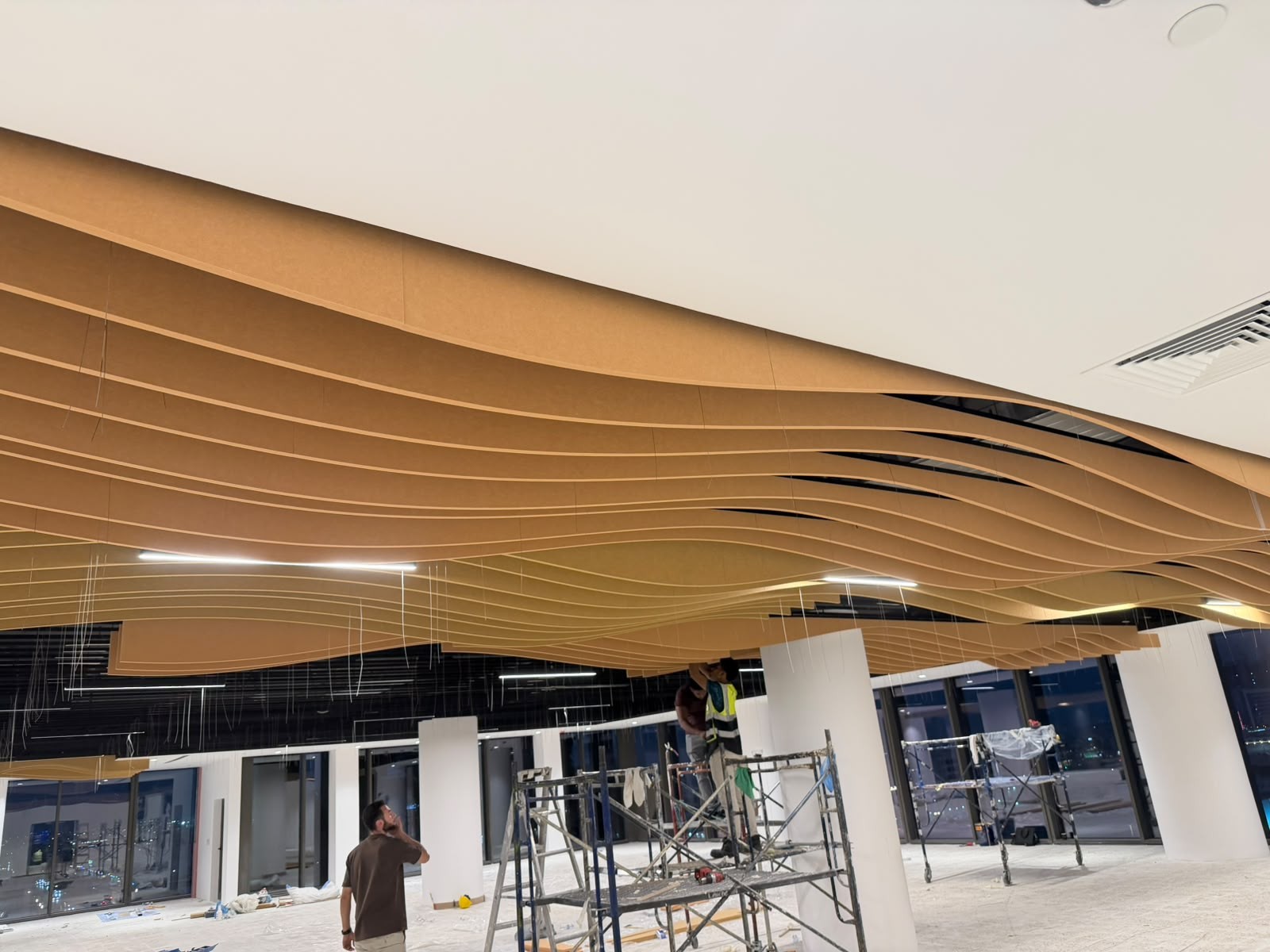
1. Confusing Absorption with Insulation
The most common error is treating sound absorption (NRC) as sound insulation (STC/Rw). A highly absorptive panel reduces echo but does not block sound between rooms. See absorption vs insulation.
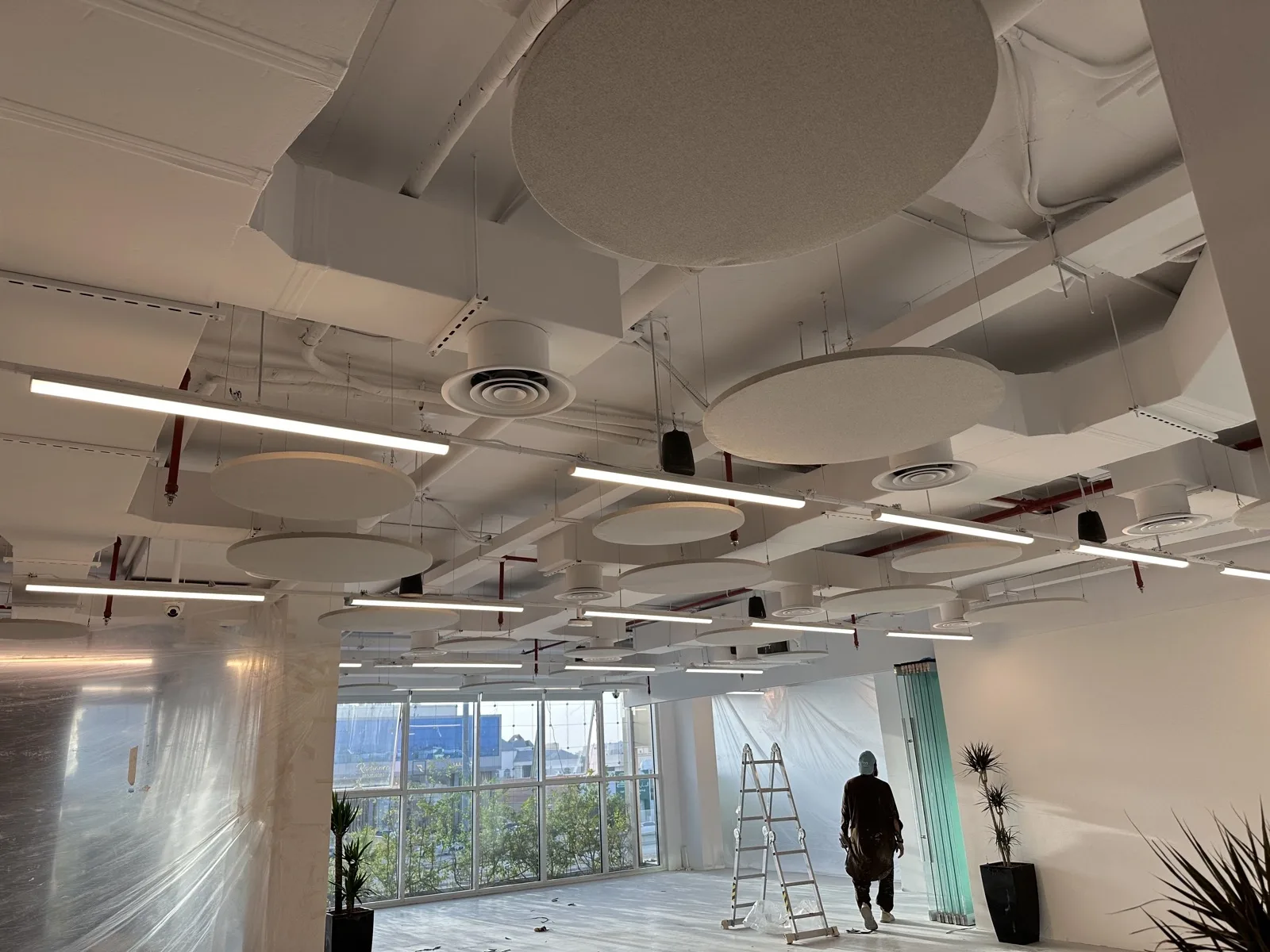
2. Ignoring Flanking Paths
A well-rated partition can perform poorly on site if flanking paths (ceiling voids, penetrations, junctions) are not controlled. See Flanking Transmission.
3. Treating a Rating as a Material Property
STC/Rw belong to a complete tested assembly, not to a single material. Quoting a material's "STC" without the assembly is meaningless.
4. Assuming Lab Equals Field
Laboratory ratings isolate the element; field performance is usually lower. Plan for the difference.
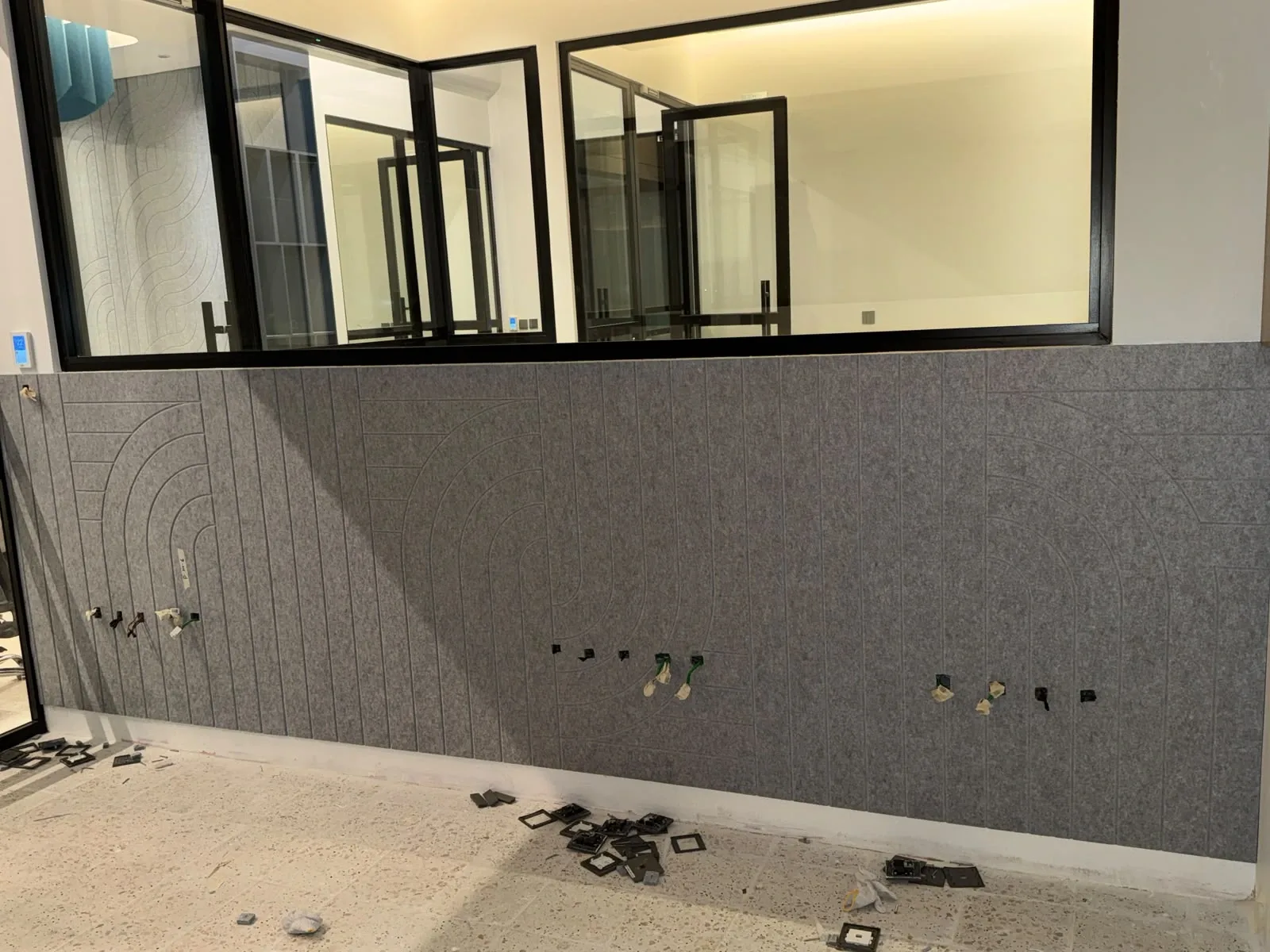
5. Over-Absorbing or Under-Absorbing
Too much absorption makes a room feel dead; too little leaves it echoey. Balance treatment to the room's use.
6. Forgetting Low Frequencies
Single-number ratings can hide poor low-frequency performance. Review the full curve when low-frequency isolation matters.
7. Neglecting Seals and Gaps
Small gaps in doors, windows and penetrations sharply reduce insulation. Sealing is essential, not optional.
Related Yamamah Solutions
For help avoiding these mistakes in your project, contact us for a free acoustic consultation.
Frequently Asked Questions
What is the single biggest acoustic mistake? Confusing absorption (echo) with insulation (blocking sound between rooms).
How do I avoid flanking problems? Design the full path — seal voids, decouple junctions, and seal penetrations — not just the partition.
Verified Sources
- ISO 10140 / ISO 16283 / ISO 354 / ISO 3382.
- ASTM E90 / E413 / C423.
Related acoustic products
Systems specified for this application and supplied with installation across Saudi Arabia:
- PET acoustic panels — 100% recycled polyester felt, NRC 0.85–0.95, Class B fire, 67 colours.
- Mass loaded vinyl (MLV) — STC 33 barrier for walls, ceilings and floors — blocks, does not absorb.
- Acoustic & sound insulation systems — Engineering, products and contracting in one scope.
Send the room data and we return a specification review: contact Yamamah Smart.