
Thin interior walls are one of the most common acoustic complaints we receive at Yamamah Smart — from apartment owners in Riyadh hearing every word from the next unit, to villa residents whose home offices share a wall with a family majlis. The issue is rarely the construction quality. It is the physics: a single layer of 12 mm gypsum board over a hollow steel-stud cavity simply does not have enough mass to stop speech, TV audio, or footfall noise.
This guide explains exactly why thin walls leak sound, what can be done about it without rebuilding the wall, and which Yamamah Smart products are engineered for each intervention. Whether you rent in an apartment tower in Jeddah or own a townhouse in Dammam, the same five-layer logic applies.
Why Thin Walls Leak Sound So Easily
Acoustic isolation obeys the mass law: every doubling of surface density (kg/m²) blocks roughly 5–6 dB more sound at mid frequencies. A typical Saudi interior partition — a single 12 mm gypsum board on each side of a 70 mm stud cavity, with no insulation — weighs only ~20 kg/m². That is too little mass to block normal conversation, which sits at 60 dB SPL one metre from the talker. The wall typically delivers an STC rating in the high 30s; speech becomes intelligible right through it.
Four mechanisms turn a thin partition into a noise highway:
- Low surface mass — a single gypsum layer flexes under sound pressure and re-radiates the vibration on the other side.
- Hollow stud cavity — the air gap acts like a drum, amplifying mid-range frequencies if no insulation is packed inside.
- Rigid stud-to-board coupling — sound travels structurally through the steel studs as easily as it travels through the air gap.
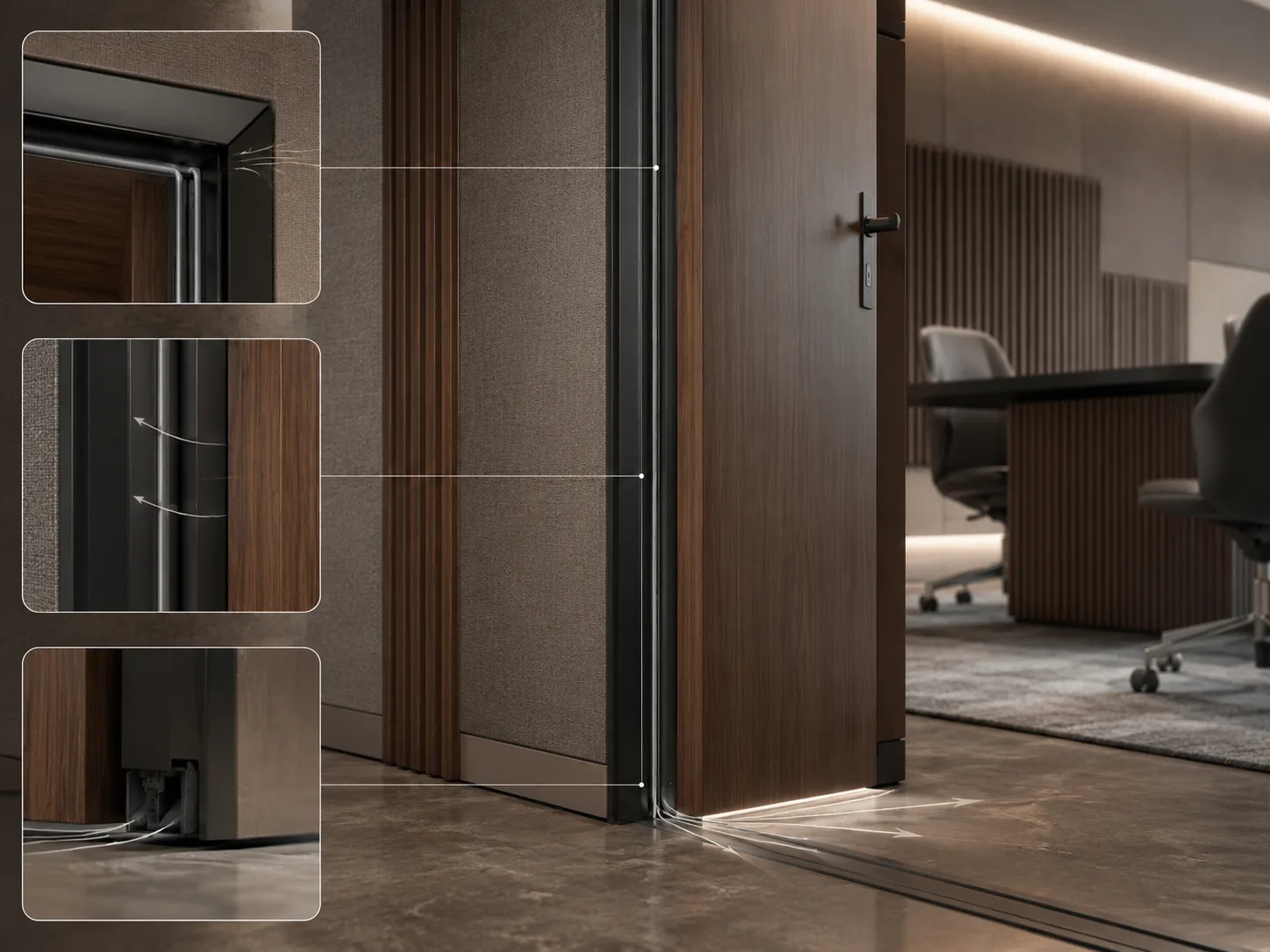
- Penetrations and flanking paths — back-to-back electrical outlets, unsealed skirting gaps, and shared HVAC ducts often leak more sound than the wall itself.
Can You Fully Soundproof a Thin Wall Without Rebuilding?
Honest answer: not 100%. Achieving true acoustic privacy (STC 55+) requires structural work — decoupled studs, double drywall, and resilient channels. In rental apartments and finished villas that is rarely practical. But you can absolutely cut the perceived noise by 60–75% using a layered retrofit that adds mass, decouples a face layer, packs the cavity (where accessible), and seals every flanking path. Most of our Riyadh residential projects move from STC ~38 to STC 50+, which is the threshold where normal speech becomes inaudible through the wall.
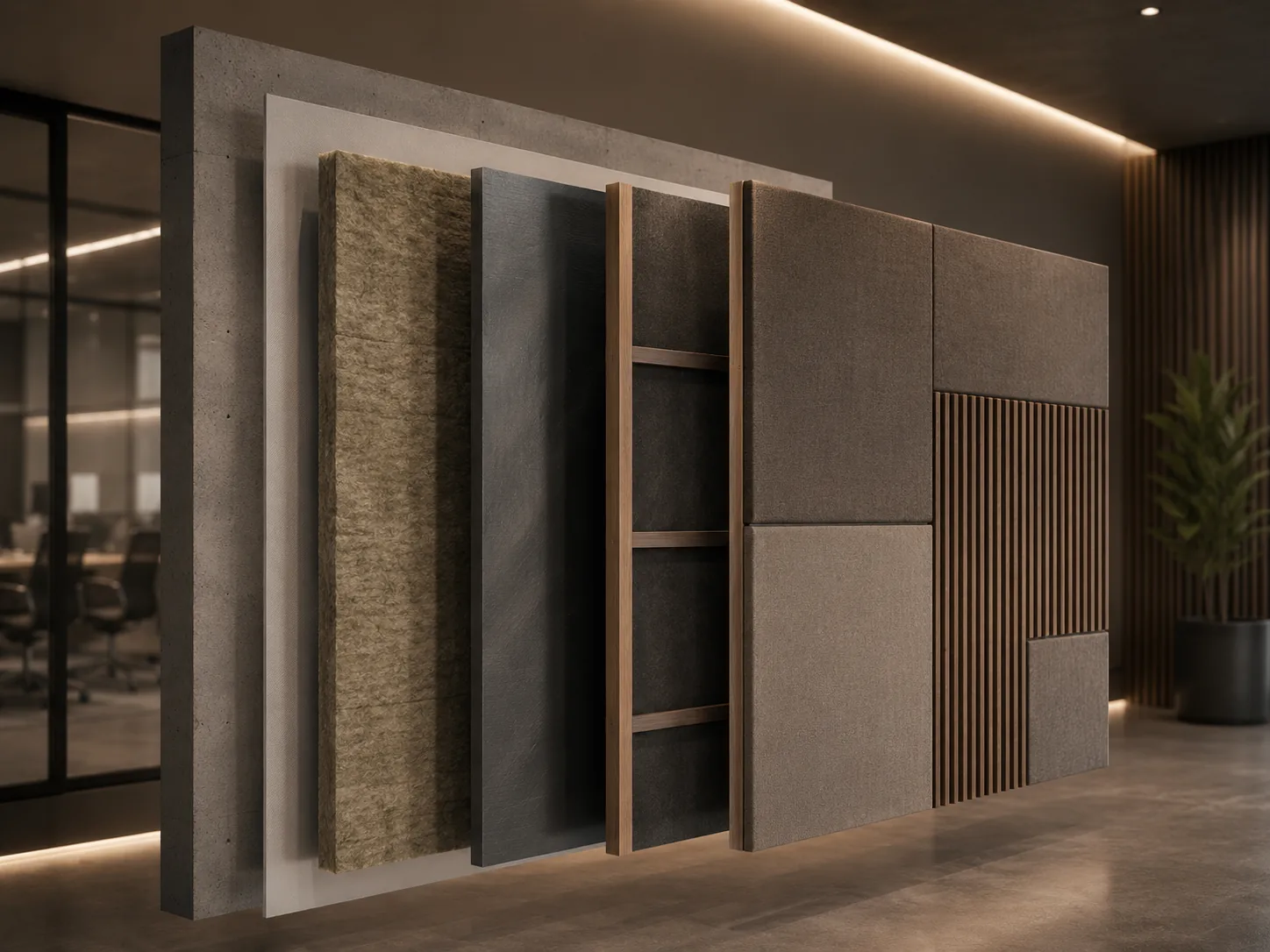
The Five-Layer Retrofit Approach
We design every thin-wall retrofit around five complementary interventions. No single product solves the problem — sound exploits whatever weak link is left untouched.
Implementation Steps
Apartment-Specific Strategy: What Renters Can Do
Renters in towers across Riyadh, Jeddah, and Al-Khobar usually cannot open the wall. The good news: meaningful improvement is still possible using surface-mounted, removable interventions. The toolkit narrows but remains effective.
Thin Walls Between Apartments — What Actually Moves the Needle
When the noise source is a neighbour, no single trick fixes the problem. The compromise we recommend balances cost, removability, and measurable dB reduction:
Add a mass layer (MLV) behind a new face board where construction is permitted; decorate the room side with fabric or PET panels to absorb mid-range pressure; seal every penetration; and ensure shared HVAC grilles include acoustic louvres or a duct silencer where applicable.

Common Mistakes We See on Site
Yamamah Smart Products for Thin-Wall Retrofits
Each product below addresses a specific link in the chain. The right combination depends on the wall construction, the noise source (speech, TV, music, footfall), and whether the install is renter-friendly or full-construction.

Start With a Measurement, Not a Product
Every successful Yamamah Smart thin-wall project starts the same way: a 15-minute site visit with a calibrated SPL meter, a check of the wall section and flanking paths, and a written layered plan. Without that survey, even premium products under-perform. Book a free assessment and we will quantify the gain before any purchase.
Get a Free Acoustic Consultation
Our Yamamah Smart engineers assess your space and recommend the right panels with certified professional installation.
💬 WhatsApp: +966506600672 ✉ [email protected]الجدران الداخلية الرقيقة من أكثر الشكاوى الصوتية تكراراً عند فريق اليمامة الذكية — من ملّاك الشقق في الرياض الذين يسمعون كل كلمة من الوحدة المجاورة، إلى سكان الفلل الذين يجاور مكتبهم المنزلي مجلس العائلة. المشكلة ليست في جودة البناء عادةً، بل في الفيزياء: طبقة واحدة من جبس 12 مم على هيكل ستيل ستد مجوف لا تملك كتلة كافية لإيقاف الحديث، ولا صوت التلفاز، ولا ضجيج الخطى.
يشرح هذا الدليل سبب تسرّب الصوت عبر الجدران الرقيقة، وما الذي يمكن فعله بدون إعادة بناء الجدار، وأي منتجات اليمامة الذكية مصمّمة لكل تدخّل. سواء كنت مستأجراً في برج سكني في جدة أو تملك منزلاً في الدمام، فإن منطق الطبقات الخمس نفسه ينطبق.
لماذا تتسرّب الأصوات بسهولة عبر الجدران الرقيقة
العزل الصوتي يخضع لـقانون الكتلة: كل مضاعفة للكثافة السطحية (كغ/م²) تحجب حوالي 5–6 ديسيبل إضافية عند الترددات المتوسطة. القاطع الداخلي السعودي النموذجي — طبقة واحدة من جبس 12 مم على كل جانب من تجويف ستد 70 مم بدون عزل — يزن فقط ~20 كغ/م². هذه كتلة قليلة جداً لإيقاف الحديث العادي الذي يبلغ ~60 ديسيبل على بعد متر من المتحدث. الجدار يعطي تصنيف STC في حدود 38–40، فيظهر الكلام مفهوماً من خلاله.
أربع آليات تحوّل القاطع الرقيق إلى طريق سريع للضجيج:
- كتلة سطحية منخفضة — طبقة جبس واحدة تنحني تحت ضغط الصوت وتعيد إشعاع الاهتزاز من الجانب الآخر.
- تجويف ستد فارغ — الفجوة الهوائية تعمل كالطبل، فتضخّم الترددات المتوسطة إذا لم تكن معبأة بعازل.
- ارتباط صلب بين الستد واللوح — الصوت ينتقل هيكلياً عبر دعامات الستيل بسهولة لا تقل عن انتقاله في الفجوة الهوائية.
- الاختراقات والمسارات الجانبية — مقابس الكهرباء المتقابلة، وفراغات الأرضيات غير المختومة، ومجاري التكييف المشتركة كثيراً ما تسرّب صوتاً أكثر من الجدار نفسه.
هل يمكن عزل الجدار الرقيق صوتياً بالكامل بدون إعادة بنائه؟
الإجابة الصريحة: لا، ليس 100%. الوصول إلى خصوصية صوتية حقيقية (STC 55+) يتطلب أعمالاً إنشائية — ستد مفصول، طبقتي جبس، وقنوات مرنة. في الشقق المستأجرة والفلل المُسلَّمة، هذا نادراً ما يكون عملياً. لكن يمكن بالتأكيد تقليل الضجيج المسموع بنسبة 60–75% باستخدام تحديث متعدد الطبقات: إضافة كتلة، فصل طبقة الواجهة، تعبئة التجويف (حيث يمكن الوصول إليه)، وإحكام كل المسارات الجانبية. معظم مشاريعنا السكنية في الرياض تنتقل من STC ~38 إلى STC 50+، وهي العتبة التي يصبح فيها الكلام العادي غير مسموع من خلال الجدار.
نهج التحديث ذو الطبقات الخمس
نصمّم كل تحديث لجدار رقيق حول خمسة تدخّلات متكاملة. لا يوجد منتج واحد يحل المشكلة — الصوت يستغل أي حلقة ضعيفة تبقى دون معالجة.
خطوات التنفيذ
استراتيجية خاصة بالشقق: ما يمكن للمستأجرين فعله
المستأجرون في أبراج الرياض وجدة والخبر عادةً لا يستطيعون فتح الجدار. الخبر السار: التحسين الملحوظ ما زال ممكناً باستخدام تدخّلات سطحية قابلة للإزالة. مجموعة الأدوات تضيق لكنها تبقى فعّالة.
الجدران الرقيقة بين الشقق — ما الذي يُحدث فرقاً فعلياً
عندما يكون مصدر الضجيج من الجار، لا توجد حيلة واحدة تحلّ المشكلة. الحل التوفيقي الذي نوصي به يوازن بين التكلفة، وقابلية الإزالة، والتخفيض القابل للقياس بالديسيبل:
أضف طبقة كتلية (MLV) خلف لوح واجهة جديد حيث يسمح البناء؛ زيّن جانب الغرفة بألواح قماشية أو PET لامتصاص ضغط الترددات المتوسطة؛ أحكم كل اختراق؛ وتأكد أن مخارج التكييف المشتركة تحتوي على شبكات صوتية أو كاتم مجرى عند الحاجة.
أخطاء شائعة نراها على أرض المشروع
منتجات اليمامة الذكية لتحديث الجدران الرقيقة
كل منتج أدناه يعالج حلقة محددة في السلسلة. التركيبة الصحيحة تعتمد على نوع الجدار، ومصدر الضجيج (كلام، تلفاز، موسيقى، خطى)، وما إذا كان التركيب مناسباً للمستأجرين أو يحتاج أعمال بناء كاملة.
ابدأ بقياس، لا بمنتج
كل مشروع ناجح لجدار رقيق مع اليمامة الذكية يبدأ بنفس الطريقة: زيارة موقع لمدة 15 دقيقة بجهاز قياس SPL معاير، فحص مقطع الجدار والمسارات الجانبية، وخطة طبقات صوتية مكتوبة. بدون هذا المسح، حتى المنتجات الممتازة تؤدّي دون المتوقع. احجز تقييماً مجانياً وسنحدّد المكسب رقمياً قبل أي شراء.
اطلب استشارة صوتية مجانية
فريق مهندسي اليمامة الذكية يقيّم مساحتك ويوصي بالألواح المناسبة مع تركيب احترافي معتمد.
💬 واتساب: 966506600672+ ✉ [email protected]